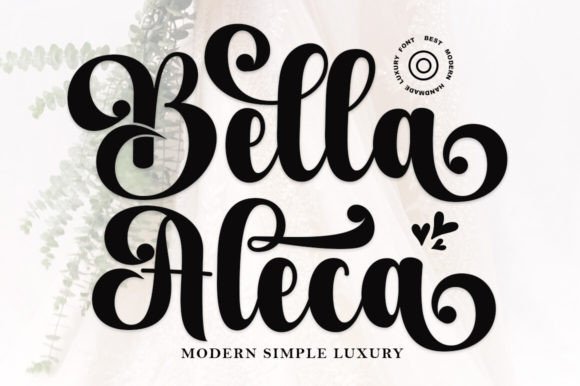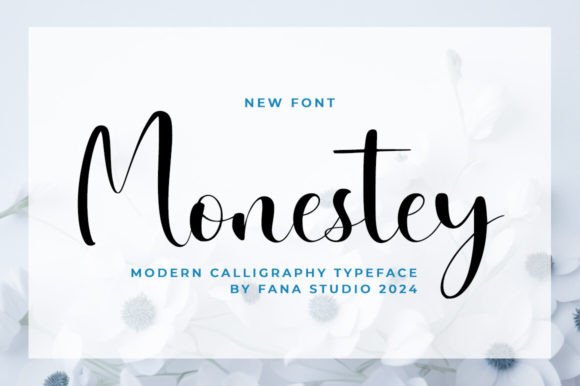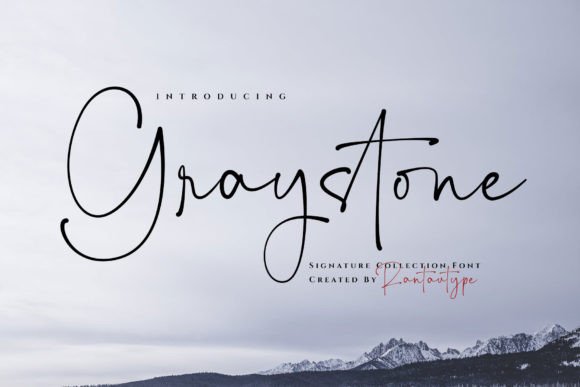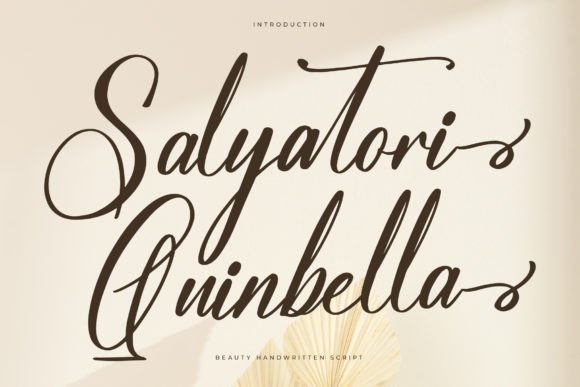
Rallisha: Elegant Script Font for Web Design
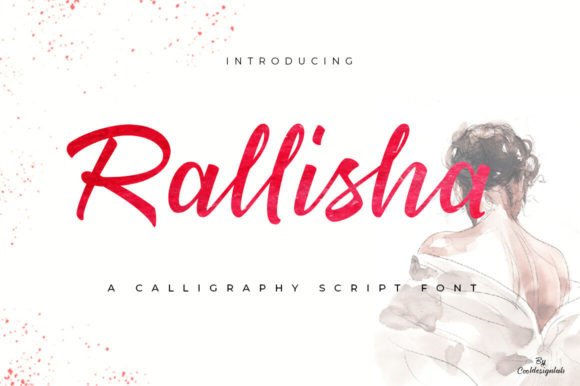
Rallisha is a beautiful script aimed at those who need elegance and style for their designs, serving as a pivotal element in modern Fonts libraries for digital creators. As a web designer, I constantly evaluate how typography influences user behavior, and this Script Handwritten typeface offers a unique blend of sophistication and approachability that static sans-serifs often lack. When integrating Rallisha into a digital product, the goal is not merely decoration but establishing an immediate emotional connection with the visitor. This font excels in creating a high-end aesthetic that can elevate a standard landing page into a memorable brand experience, particularly for industries where trust and personal touch are paramount.
Enhancing Brand Identity with Rallisha for Feminine Branding
Rallisha functions exceptionally well within the realm of Script Handwritten typography, providing a distinct voice for brands targeting a feminine or luxury demographic. In the context of web design, brand identity is communicated through every pixel, and the choice of Fonts plays a critical role in defining that personality. Rallisha’s fluid strokes and elegant curves mimic the natural movement of hand-lettering, which adds a layer of authenticity and warmth to digital interfaces. For online stores selling beauty products, fashion accessories, or artisanal goods, using Rallisha in hero sections or featured product banners can significantly enhance the perceived value of the items. The font’s inherent grace helps to soften the rigid grid structures common in web layouts, creating a more organic and inviting browsing environment. When users encounter this level of typographic care, it signals attention to detail, fostering greater brand trust and encouraging longer session durations.
Optimizing Visual Hierarchy in Wedding Invitation Websites
Rallisha is perfect for wedding invitations and save-the-date cards, translating seamlessly into the digital sphere for event microsites and RSVP pages. As a Script Handwritten asset, it demands careful placement within the visual hierarchy to ensure readability without sacrificing style. In web design, we often use display Fonts like Rallisha for H1 headers or short, impactful statements rather than body copy. For a wedding website, this means utilizing Rallisha for the couple’s names, the date, or section dividers, while pairing it with a clean, highly legible sans-serif for logistical details. This contrast creates a clear scanning path for the user, allowing them to absorb the emotional tone of the design before diving into the functional information. The elegance of Rallisha ensures that the digital invitation feels as special as its physical counterpart, maintaining consistency across all touchpoints of the event planning process. Designers must ensure adequate line height and letter spacing when using this script on screens to prevent the ligatures from becoming illegible on smaller devices.
Improving Conversion Rates on Landing Pages with Script Fonts
Rallisha can be a powerful tool for conversion-focused layouts when used strategically within Script Handwritten applications. While many marketers rely on bold, aggressive typography for calls to action, there is a growing trend towards softer, more persuasive design languages that appeal to lifestyle and coaching sectors. Incorporating Rallisha into key value propositions or testimonial highlights can humanize a sales page, making the offer feel more personal and less transactional. Among available Fonts, this particular script stands out for its ability to draw the eye without overwhelming the content. For instance, placing Rallisha over a high-quality background image in a hero section can create a focal point that guides the user’s gaze toward the primary call-to-action button. However, it is crucial to maintain high contrast between the text and the background to ensure accessibility. When users can easily read the elegant script, they are more likely to engage with the content, leading to higher click-through rates and improved overall performance of the landing page.
Pairing Rallisha with Sans Serif Fonts for Digital Readability
Rallisha achieves its full potential in web environments when paired correctly with complementary Script Handwritten and structural typefaces. One of the most common mistakes in digital design is using decorative Fonts for extended reading, which causes eye strain and increases bounce rates. To mitigate this, I recommend pairing Rallisha with a neutral sans-serif font such as Inter, Lato, or Montserrat for body text and navigation elements. This combination leverages the emotional impact of the script while maintaining the functional clarity required for user interfaces. The stark contrast between the flowing curves of Rallisha and the geometric precision of a sans-serif creates a balanced visual rhythm that keeps the layout dynamic yet organized. This pairing is particularly effective for blog headers, course sales pages, and portfolio sites where the designer needs to showcase creativity without compromising usability. By restricting Rallisha to headings, logos, and accent text, you preserve its novelty and ensure it remains a highlight rather than a distraction.
Ensuring Mobile Responsiveness and Accessibility for Script Typography
Rallisha requires specific technical considerations when implemented in responsive web design to maintain its integrity as a Script Handwritten element. Unlike blocky Fonts, script typefaces can lose definition on low-resolution screens or when scaled down for mobile devices. To address this, designers should avoid using Rallisha for small UI elements like buttons, form labels, or footer links. Instead, reserve it for larger display sizes where the intricate details of the glyphs can be appreciated. When designing for mobile, increase the font size and line height to prevent the characters from touching or overlapping, which can render the text unreadable. Additionally, always test the font against various background colors to ensure sufficient contrast ratios meet WCAG accessibility standards. If the default weight of Rallisha appears too thin on certain devices, consider adding a subtle text shadow or stroke to enhance visibility without altering the original design intent. These adjustments ensure that the elegance of the font is preserved across all devices, providing a consistent and professional user experience.
Licensing and Implementation of Rallisha in Commercial Web Projects
Rallisha is a premium asset that requires proper licensing for use in commercial Script Handwritten projects and digital products. Before integrating this font into client websites, online stores, or SaaS platforms, it is essential to verify the specific terms of the license regarding webfont usage. Many Fonts providers offer separate licenses for desktop use and web embedding via CSS @font-face rules. Ensuring compliance protects both the designer and the client from legal issues while supporting the creators who develop these high-quality typographic tools. When implementing Rallisha, optimize the file formats (such as WOFF2) to minimize load times, as heavy font files can negatively impact page speed and SEO rankings. By treating Rallisha as a strategic design investment rather than just a decorative element, you can maximize its impact on brand perception and user engagement. Proper implementation ensures that the font loads quickly and renders correctly, delivering the intended elegant aesthetic to every visitor regardless of their browser or device.