For Darling: An Elegant Script Font for Editorial Design
When I began redesigning the header graphics for a lifestyle blog focused on slow living and artisanal crafts, I knew that standard sans serif fonts would not capture the warmth I needed. I turned to For Darling, a typeface that immediately softened the digital interface. As a Script Handwritten style, it brings a human touch to otherwise rigid layouts. Among the vast library of modern Fonts available today, finding one that balances legibility with artistic flair is rare, but this specific typeface delivers both with grace.
Creating Visual Hierarchy in Lifestyle Blog Headers
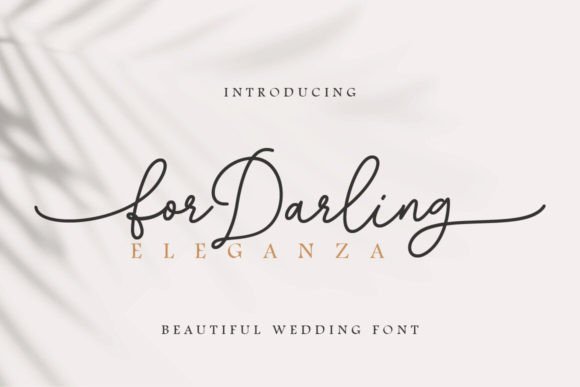
The first thing you notice when installing For Darling is its rhythmic flow. It is not just a collection of letters; it is a visual narrative. In my project, I used it exclusively for main article titles and section breaks. The For Darling Font is an exquisite and delicate handwritten script font that exudes elegance. It features captivating letter alternatives and enchanting tails at the beginning and end of each stroke. These details are crucial for stopping the scroll. When a reader lands on a homepage, the typography sets the emotional tone before they read a single word of body copy.
Using a Script Handwritten font for headers creates an immediate contrast against clean, minimal body text. This contrast is the backbone of effective editorial design. While many Fonts struggle to maintain clarity at larger sizes, this typeface thrives. The varying stroke widths mimic the pressure of a real pen, adding depth and dimension to flat screens. For bloggers and publishers, this means your content feels curated and personal, rather than mass-produced.
Enhancing Reader Engagement Through Typographic Mood
Typography is more than aesthetics; it is about pacing. The enchanting tails mentioned in the description of For Darling serve a functional purpose in guiding the eye. They create a natural pause, encouraging the reader to linger on the headline. In a world of rapid consumption, slowing down the viewer’s gaze is a powerful tool. By choosing a premium font like this, you signal quality and attention to detail. It tells your audience that the content within is worth their time.
Designing Elegant Ebook Covers and Digital Guides
Beyond web headers, I tested this typeface on a series of digital products, including a recipe ebook and a wedding planning guide. The versatility of For Darling shines in these static formats. For an ebook cover, the title needs to be impactful yet inviting. The delicate nature of this script pairs beautifully with high-quality photography, allowing the image to breathe while the text adds a layer of sophistication. It works exceptionally well for niches that value aesthetics, such as beauty, wellness, and hospitality.
When creating printable planners or coaching workbooks, readability remains paramount. While For Darling is a display font, its clear letterforms ensure that chapter titles and section headers remain legible even when printed on smaller paper sizes. The Script Handwritten style adds a personal touch to educational materials, making them feel less like textbooks and more like friendly mentors. Among commercial Fonts, few manage to bridge the gap between professional authority and approachable warmth as effectively as this one.
Selecting the Right Context for Script Typography
It is important to note where this font should and should not be used. For Darling is ideal for titles, pull quotes, and decorative accents. It is not designed for long-form body copy. Using it for paragraphs would strain the reader’s eyes and disrupt the reading flow. Instead, pair it with a highly readable serif font for the main text or a neutral sans serif font for captions and navigation elements. This combination ensures that the elegance of the script highlights the content without overpowering it.
Practical Font Pairing for Modern Editorial Layouts
Successful design relies on harmony. When integrating For Darling into a broader brand identity, consider the weight and mood of your secondary fonts. A light, geometric sans serif complements the organic curves of the script, creating a modern and clean look. Alternatively, a classic serif font can enhance the traditional, romantic feel of the handwriting. The key is balance. The For Darling Font is an exquisite and delicate handwritten script font that exudes elegance. It features captivating letter alternatives and enchanting tails at the beginning and end of each stroke. These features should be the star of the show, supported by understated companions.
In social media graphics, this pairing strategy is equally vital. A quote card using For Darling for the quote and a simple sans serif for the attribution looks professional and shareable. Consistency in font pairing builds brand recognition. When your audience sees that specific script style, they should immediately associate it with your voice and values. This is the power of thoughtful typography in digital marketing.
Navigating Licensing and Technical Specifications
Before committing to any typeface for client work or commercial products, always review the licensing terms. Ensure that the version of For Darling you purchase covers your intended use, whether it is for print-on-demand items, digital downloads, or web embedding. Check for included styles, such as regular, bold, or italic variants, although script fonts often rely on alternates rather than weights. Look for multilingual support if your audience is global. High-quality Script Handwritten Fonts often include ligatures and contextual alternates that automate the connection between letters, saving you time in design software.
Testing the font across different platforms is also essential. View your designs on mobile devices, tablets, and desktops to ensure the delicate strokes remain visible. PDF exports should be checked for font embedding to prevent substitution issues. By taking these technical steps, you ensure that the elegance of For Darling translates perfectly from your screen to your reader’s device. This attention to detail separates amateur designs from professional editorial experiences.