Monestey: A Script Font for Elegant Web Design
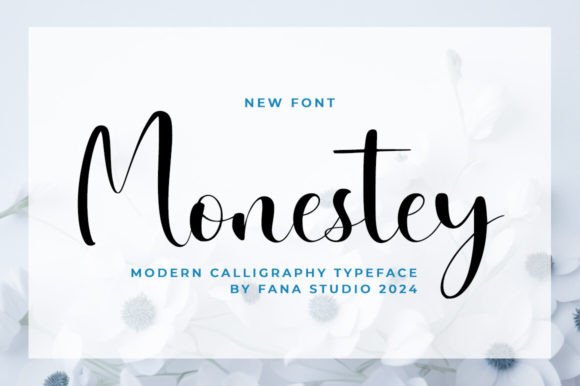
I was staring at the hero section of a new boutique coaching website, and something felt off. The layout was clean, the photography was stunning, but the headline lacked soul. It was too rigid. I needed a typeface that could bridge the gap between professional authority and approachable warmth. That is when I pulled Monestey into the design file. As a web designer constantly searching for the right balance between aesthetics and function, finding Script Handwritten Fonts that actually work in digital environments can be a challenge. Monestey is a charming script font imbued with elegance and grace, and its fluid strokes immediately softened the harsh edges of the sans-serif body copy I had selected.
Integrating Monestey into Hero Sections and Landing Pages
When testing Monestey in a real website project, the first place I always look is the hero section. This is the digital handshake, the first impression a visitor gets. Monestey is a charming script font imbued with elegance and grace, making it an ideal candidate for short, impactful headlines. Its fluid strokes and delicate curves evoke a sense of sophistication and romance, which translates beautifully on high-resolution screens. However, as a UI designer, I have to be careful. Script fonts can easily become illegible if the letter-spacing is too tight or the size is too small. With Monestey, I found that increasing the line height and ensuring ample white space around the text allowed the delicate curves to breathe. It did not just sit on the page; it floated, adding a layer of premium feel to the brand identity without overwhelming the user.
For landing pages, especially those selling high-ticket courses or luxury services, the emotional tone is critical. Monestey helps establish that tone instantly. It signals to the visitor that this brand cares about details. When I placed Monestey over a soft, muted image banner, the contrast was perfect. The font’s elegance cut through the visual noise, drawing the eye directly to the value proposition. It is not just about looking pretty; it is about guiding the user’s attention. By using Monestey for the main headline and pairing it with a clean, geometric sans-serif for the subheadline, I created a visual hierarchy that was both easy to scan and emotionally engaging.
Monestey for Wedding Invitations and Elegant Branding
While my primary focus is web design, the versatility of Monestey extends far beyond the browser. The product description notes it is perfect for invitations, branding, and elegant designs, and I saw this potential immediately when creating a digital brand kit for a wedding planner client. In the digital age, a brand’s online presence must match its offline collateral. Using Monestey for the website headers allowed us to create a seamless experience from the Instagram ad to the landing page to the actual digital invitation download. The consistency in typography builds trust. When a user sees the same elegant script font across all touchpoints, they perceive the brand as more professional and established.
In terms of branding, Monestey works exceptionally well for logos and wordmarks, particularly for businesses in the beauty, lifestyle, and creative industries. Its handwritten nature adds a human touch, which is often missing in corporate web design. However, I always advise clients to use it sparingly in logo applications. Because it is a display font, it shines brightest when used for the brand name itself, rather than taglines or long descriptions. This ensures that the logo remains legible even when scaled down for mobile favicons or social media profile pictures. The delicate curves of Monestey require space to be appreciated, so keeping the logo application simple and uncluttered is key to maintaining its sophisticated appeal.
Readability and Mobile Responsiveness with Script Handwritten Fonts
One of the biggest concerns when using Script Handwritten Fonts on the web is readability on mobile devices. Small screens can turn beautiful loops into unreadable blobs if not handled correctly. During my testing of Monestey, I paid close attention to how it rendered on various viewports. On desktop, the font looked magnificent at larger sizes, showcasing its intricate details. On mobile, I had to adjust the sizing carefully. I found that Monestey retained its legibility down to a certain point, but it is best used for headings no smaller than 24px on mobile devices. For body text or smaller UI elements, I strictly stuck to a complementary sans-serif font.
Another critical factor is contrast. Monestey’s delicate strokes can get lost against busy backgrounds or low-contrast color combinations. In my project, I ensured that the text color had a high contrast ratio against the background, adhering to WCAG accessibility guidelines. This is not just about aesthetics; it is about inclusivity. A beautiful font is useless if users with visual impairments cannot read it. By pairing Monestey with a bold, dark color on a light background, or vice versa, I maintained the elegance while ensuring the content was accessible to all users. This balance between beauty and usability is what separates good web design from great web design.
Pairing Monestey with Sans Serif and Serif Typefaces
No font exists in a vacuum. The success of Monestey in a web layout depends heavily on what it is paired with. In my experience, Monestey pairs beautifully with modern sans-serif fonts like Montserrat, Lato, or Open Sans. These neutral typefaces provide a stable foundation that allows Monestey to shine as the decorative element. The contrast between the organic, flowing lines of the script and the structured, geometric lines of the sans-serif creates a dynamic tension that keeps the user engaged. I also experimented with pairing Monestey with a classic serif font for a more editorial look. This combination worked well for blog headers and article titles, giving the content a magazine-like quality that felt both timeless and contemporary.
When building a design system, I treat Monestey as the accent voice. It is the whisper in a room full of shouts. I use it for pull quotes, section dividers, and special callouts. This strategic use prevents the design from feeling overly ornate or cluttered. By limiting the use of Monestey to specific, high-impact areas, I preserve its novelty and impact. Users are more likely to notice and appreciate the elegance of the font when it is used selectively rather than ubiquitously. This approach also helps maintain a clear visual hierarchy, guiding the user through the content in a logical and pleasing manner.
Licensing and Technical Considerations for Web Fonts
Before implementing any new typeface in a client project, I always check the licensing and technical specifications. Monestey is a commercial font, so ensuring the correct license is purchased for web use is essential. I verified that the font files were optimized for web delivery, checking for formats like WOFF and WOFF2 which offer better compression and faster loading times. Page speed is a crucial ranking factor, and heavy font files can slow down a site. Fortunately, Monestey was well-optimized, allowing me to include it without significantly impacting the site’s performance. I also checked for multilingual support, as many of my clients have international audiences. Knowing that the font supports a wide range of characters gave me confidence in its versatility for global brands.
In conclusion, Monestey is more than just a pretty face. It is a functional, versatile tool that can elevate a web design project from ordinary to extraordinary. Its ability to convey elegance and romance makes it perfect for brands that want to connect with their audience on an emotional level. Whether you are designing a wedding invitation site, a luxury e-commerce store, or a personal portfolio, Monestey offers the sophistication and grace needed to make a lasting impression. By understanding its strengths and limitations, and by pairing it wisely with other typefaces, web designers can create digital experiences that are not only visually stunning but also user-friendly and accessible. If you are looking to add a touch of humanity and elegance to your next digital project, Monestey is a font worth considering.