Savoria Rins: The Organic Script Font for Natural Branding
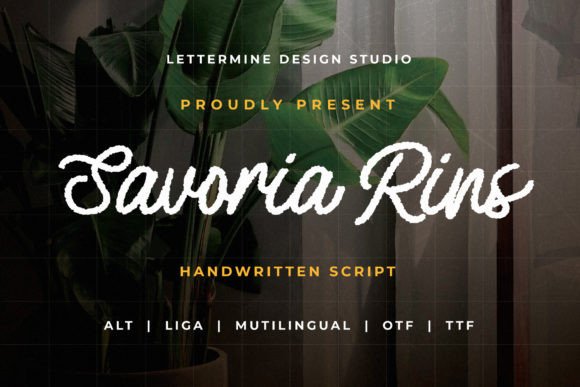
I was staring at a blank artboard last Tuesday, coffee in hand, trying to crack the visual identity for a small, artisanal skincare line. The client wanted something that felt raw, authentic, and deeply connected to nature, but still polished enough for high-end retail shelves. I scrolled through my library of Fonts, skipping over the rigid geometric sans-serifs and the overly perfect calligraphy scripts. That’s when I landed on Savoria Rins. It wasn’t just another typeface; it was a mood. Introducing Savoria Rins felt like the missing piece for this project, offering an organic script font with a unique touch and characteristic irregular edges, adding natural beauty to your designs. Whether you re crafting branding materials, promotional content, or packaging labels, this font brings a human hand into the digital space.
Using Savoria Rins for Authentic Logo Design and Brand Identity
When working with Script Handwritten styles, the biggest challenge is often balancing personality with legibility. In this specific branding project, the logo needed to sit comfortably on small product jars and large tote bags alike. I started by typing out the brand name using Savoria Rins. The immediate appeal was the texture. Unlike standard vector scripts that can feel sterile, this typeface has built-in imperfections that mimic the natural flow of ink on paper. These irregular edges are not bugs; they are features that signal authenticity to the consumer.
For the primary logo mark, I used the font as a standalone element. The weight of the strokes is substantial enough to hold its own without needing a heavy drop shadow or outline. This makes it incredibly versatile for various applications. If you are a graphic designer looking for a premium font that reduces the need for excessive embellishment, this is a strong candidate. The organic nature of the letters means the logo feels approachable and warm, which is exactly what modern consumers look for in boutique brands. It works exceptionally well as a display font for headlines where you want to capture attention immediately without shouting.
Enhancing Packaging Design with Organic Script Typography
Once the logo direction was approved, I moved on to the packaging layout. This is where Savoria Rins truly shines. Packaging design requires a hierarchy that guides the eye quickly. I used the font for the product names and key descriptors, such as "Handmade" or "Organic Blend." The characteristic irregular edges of the font complemented the textured paper stock we selected for the labels. When printed, the font didn’t look like a digital overlay; it looked like it belonged there.
One practical tip I learned during this process is to pay attention to spacing. Because Script Handwritten fonts have varying letter widths, kerning can be tricky. I spent some time adjusting the tracking to ensure the words breathed properly on the label. The result was a clean, uncluttered look that emphasized the natural ingredients. If you are creating product labels for food, cosmetics, or crafts, this font adds a layer of perceived value. It suggests that care and attention went into every step of the production, mirroring the care taken in the design. It is an excellent choice for anyone needing to elevate their physical product presence through thoughtful typography.
Crafting Engaging Social Media Graphics with Savoria Rins
In today’s digital-first market, a brand identity must translate seamlessly from print to screen. I tested Savoria Rins in several social media templates for Instagram and Pinterest. The font’s bold strokes remained crisp even when scaled down for mobile viewing. For promotional posts, I paired the script with a clean, minimal sans serif font. This contrast created a modern typography style that felt current yet timeless. The script handled the emotional hook—"New Arrival" or "Limited Edition"—while the sans serif handled the informational details.
Using Fonts like this in social media graphics helps break the monotony of feed scrolling. The unique touch of the irregular edges catches the eye because it differs from the standardized, corporate aesthetics that dominate many platforms. Whether you are a content creator, marketer, or small business owner, incorporating this typeface into your digital assets can increase engagement. It feels personal, like a note from a friend rather than an ad from a corporation. I found it particularly effective for quote graphics and behind-the-scenes stories, where the goal is to build a connection with the audience.
Pairing Savoria Rins with Serif and Sans Serif Typefaces
A common question I get from fellow designers is how to pair such a distinctive script. The answer lies in contrast. Since Savoria Rins is highly decorative and organic, it needs a stable partner. I experimented with a classic serif font for body text in the brand’s lookbook. The sharp serifs provided a structural anchor that balanced the fluidity of the script. Alternatively, for a more contemporary look, a geometric sans serif worked beautifully for website headers and navigation menus.
The key is to let Savoria Rins be the star. Do not compete with it. Use it for short-form text, titles, and accents. Avoid using it for long paragraphs, as the intricate details can reduce readability at smaller sizes. By treating it as a display font, you maintain its impact and ensure the brand message remains clear. This approach ensures consistency across all brand materials, from business cards to website banners. It allows the font to add natural beauty to your designs without overwhelming the viewer.
Finalizing Commercial Assets with Professional Font Licensing
Before handing off the final files to the client, I reviewed the licensing terms. It is crucial to ensure that any commercial font you use is properly licensed for the intended mediums, whether that be web, print, or merchandise. Introducing Savoria Rins comes with the flexibility needed for diverse projects. I checked the included styles and alternates to ensure I had enough variety for different layouts. Having access to ligatures and alternate characters allowed me to customize certain logotypes further, ensuring a unique fit for the brand.
For freelancers and creative studios, having a reliable library of versatile Fonts is an investment in efficiency. Savoria Rins has become a go-to in my toolkit for projects that require a human touch. It saves time because it requires less manipulation to look "natural." The inherent texture and flow mean I spend less time adding noise or distress effects in post-production. This efficiency translates to better value for clients and a smoother workflow for designers. If you are looking to refresh your design assets with something that feels both professional and deeply human, this typeface is worth exploring.
In conclusion, integrating Savoria Rins into your design process can transform ordinary layouts into compelling visual stories. Its ability to bridge the gap between digital precision and organic warmth makes it a powerful tool for modern branding. From the initial logo sketch to the final social media post, it maintains a consistent voice that resonates with audiences seeking authenticity. Give it a try on your next project, and see how its unique character can elevate your work.