Roadhand: A Personal Script Typeface for Editorial Design
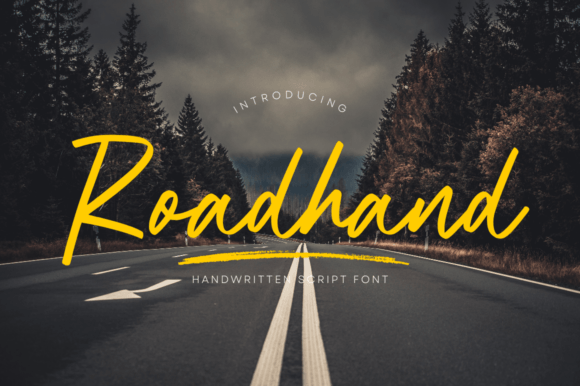
When I was redesigning the header for a lifestyle blog focused on slow living and artisanal crafts, I found myself scrolling past dozens of rigid, geometric typefaces. They felt too cold, too corporate for a brand built on warmth and human connection. That is when I stumbled upon Roadhand, a handwritten script font that brings a personal touch to your designs. With its natural and fluid strokes, this font captures the spontaneity and authenticity of handwritten text in a way that feels both curated and effortless. As an editorial designer, I am always looking for Fonts that do more than just display words; they need to convey mood. In this review, I want to share how integrating this Script Handwritten style into your content layout can transform the reader’s experience from passive consumption to emotional engagement.
Creating Authentic Brand Identity with Roadhand in Blog Headers
The first impression of any digital publication is often dictated by its typography. For bloggers and independent publishers, establishing a distinct visual voice is crucial in a saturated market. Roadhand excels in this arena because it mimics the irregular rhythm of actual pen-on-paper writing. Unlike many digital scripts that feel overly perfected or repetitive, this typeface retains a sense of organic movement. When I tested it for a blog header, the varying stroke weights created a dynamic entry point that drew the eye immediately without feeling aggressive. It is not just about aesthetics; it is about trust. Readers subconsciously associate handwritten elements with personal correspondence and care. By using Introducing Roadhand, a handwritten script font that brings a personal touch to your designs. With its natural and fluid strokes, this font captures the spontaneity and authenticity of handwritten tex as your primary display element, you signal to your audience that there is a human behind the screen. This is particularly effective for niches like coaching, wellness, and creative arts, where the creator’s personality is the product.
Enhancing Readability and Mood in Ebook Titles and Chapter Openers
Moving from web headers to long-form content, the application of Script Handwritten styles requires a delicate balance between decoration and function. I recently worked on a layout for a recipe ebook, where the challenge was to make each chapter feel like a new culinary journey. Using Roadhand for chapter titles and section breaks added a layer of sophistication that standard sans serif fonts simply could not achieve. The font’s fluidity guides the reader’s eye smoothly across the page, creating a natural pause before diving into the instructional text. However, it is vital to remember that this is a display font. It shines in large sizes, such as cover text or pull quotes, but it should not be used for body copy. The intricate connections between letters can become difficult to decipher at smaller point sizes, especially on mobile devices. For the body text of the ebook, I paired it with a clean, highly readable serif font. This contrast ensures that while the Fonts used for headings evoke emotion, the informational content remains accessible and easy to scan. This hierarchy is essential for maintaining reader retention in digital products.
Designing Engaging Newsletter Graphics and Social Media Assets
In the world of email marketing and social media, attention spans are short, and visual impact is everything. Roadhand offers a versatile solution for creators who need to produce consistent yet engaging graphics. I tested the font in a series of newsletter headers for a weekly digest on sustainable living. The result was a cohesive look that felt intimate, like a letter from a friend rather than a broadcast from a corporation. The natural variations in the letterforms prevent the design from feeling static or template-heavy. When creating social media graphics, such as Instagram quotes or Pinterest pins, the spontaneity of the script adds a layer of authenticity that resonates with audiences tired of polished, sterile advertising. Because Introducing Roadhand, a handwritten script font that brings a personal touch to your designs. With its natural and fluid strokes, this font captures the spontaneity and authenticity of handwritten tex is designed with modern digital workflows in mind, it scales well across different platforms. Whether you are designing a story highlight cover or a promotional banner, the font maintains its character. It is important, however, to ensure sufficient contrast between the text and the background. Light gray scripts on white backgrounds, for example, can disappear on certain screens. Always test your designs in dark mode and on various devices to ensure the Script Handwritten elements remain legible and impactful.
Pairing Roadhand with Serif and Sans Serif Fonts for Editorial Balance
A common mistake in editorial design is overusing expressive typefaces. While Roadhand is beautiful, it demands space to breathe. To create a professional and balanced layout, you must pair it with complementary neutral fonts. I recommend combining this script with a classic serif font for body text if you are aiming for a traditional, literary feel, such as in a wedding guide or a novel excerpt. The serif’s structured lines ground the fluidity of the script, creating a harmonious tension. Alternatively, for a more modern, minimalist aesthetic, pair Roadhand with a geometric sans serif font. This combination works exceptionally well for coaching workbooks, printable planners, and course PDFs, where clarity is paramount. The sans serif provides a clean, unobtrusive framework that allows the handwritten elements to serve as accent points rather than distractions. When selecting your pairing Fonts, consider the x-height and weight. A light or regular weight sans serif usually pairs best with the medium strokes of Roadhand, avoiding visual competition. This strategic pairing enhances the overall brand identity, ensuring that your publication looks thoughtful and professionally curated.
Practical Considerations for Licensing and File Formats in Commercial Projects
Before integrating Roadhand into client projects or commercial products, it is essential to review the technical specifications and licensing terms. As a premium font, it typically comes in standard formats like OTF and TTF, which are compatible with most design software, including Adobe Creative Cloud, Canva, and Affinity Designer. Check if the font package includes alternates or ligatures, which can add further customization to your designs. For instance, using alternate endings on certain letters can prevent repetitive patterns in longer headlines. Additionally, verify the commercial license details. If you are creating digital products for sale, such as printable planners or templates, ensure that the license covers embedded use or resale rights. Some licenses may require an extended agreement for high-volume distribution. Understanding these details protects your business and ensures that your use of Introducing Roadhand, a handwritten script font that brings a personal touch to your designs. With its natural and fluid strokes, this font captures the spontaneity and authenticity of handwritten tex is fully compliant. By respecting these guidelines, you can confidently use this Script Handwritten asset to elevate your design portfolio and deliver high-quality, authentic visuals to your audience.