Cartoni: A Refined Script Typeface for Editorial Design
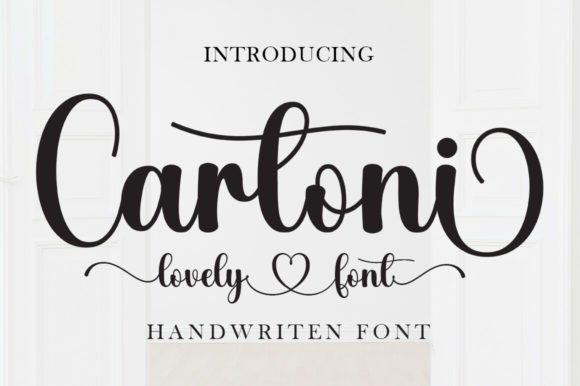
The afternoon light was fading across my desk as I stared at the blank canvas of a new lifestyle blog redesign. The client wanted something that felt personal yet polished, intimate but not informal. I scrolled through my library of Fonts, looking for a typeface that could carry the weight of a brand identity without shouting. That is when I landed on Cartoni. To immerse yourself in the placid elegance of Cartoni, an artful handwritten script font that radiates sophistication and tranquility is to understand immediately how it can transform a static layout into a breathing, organic experience. The harmonious merger of graceful curves and tender strokes offers a visual rhythm that feels less like digital typography and more like a carefully penned letter from a trusted friend.
Establishing Mood with Cartoni in Lifestyle Blog Headers
When working with Script Handwritten styles, the primary challenge is often balancing personality with legibility. Many script fonts lean too heavily into chaos or whimsy, making them difficult to read at smaller sizes or on mobile screens. Cartoni, however, maintains a steady, calm baseline. In my recent project, I used it exclusively for the main blog header and featured article titles. The result was instantaneous clarity of mood. The font does not just display text; it sets a tone of serene authority. For bloggers and publishers aiming to create a space that feels like a retreat rather than a newsfeed, this typeface acts as a visual anchor. It invites the reader to slow down, mirroring the tranquil content often found in wellness, mindfulness, and slow-living niches.
The beauty of using Cartoni in digital headers lies in its open counters and consistent stroke width. Unlike some high-contrast scripts that disappear on lower-resolution screens, this font holds its shape beautifully. It works exceptionally well for hero sections where the title is large and central. By pairing it with ample white space, you allow the graceful curves to breathe, enhancing the overall sophistication of the page. This approach supports better user engagement, as the visual hierarchy clearly signals to the reader what is important, guiding their eye naturally from the headline to the introductory paragraph.
Enhancing Readability and Structure in Ebook Layouts
Moving from web to print, I tested Cartoni in a recipe ebook layout. Here, the function of the font shifts slightly. In long-form content like cookbooks or coaching workbooks, script fonts are rarely suitable for body copy. The intricate connections between letters can cause visual fatigue when reading dense paragraphs. However, Cartoni shines as a display font for chapter openers, section dividers, and pull quotes. I used it to highlight key ingredients and introductory thoughts at the start of each chapter. The tenderness of the strokes adds a layer of warmth that standard sans serif fonts simply cannot achieve.
For ebook creators and digital product sellers, the strategic placement of Script Handwritten elements can break up the monotony of text-heavy pages. When I placed a pull quote in Cartoni against a soft, neutral background, it became a focal point that encouraged readers to pause and reflect. This technique is crucial for maintaining reader attention in educational materials or guided journals. It transforms a standard PDF into a designed experience. However, it is vital to respect the limits of the font. I avoided using it for instructions or measurements, opting instead for a clean, readable serif font for those functional elements. This contrast ensures that the aesthetic appeal of Cartoni enhances rather than hinders the utility of the document.
Pairing Cartoni with Serif and Sans Serif Fonts for Brand Identity
A common mistake in editorial design is pairing a expressive script with another decorative font. This creates visual noise and confuses the reader. To maximize the impact of Cartoni, I paired it with a classic, high-legibility serif font for the body text. The juxtaposition of the organic, flowing lines of the script against the structured, vertical lines of the serif creates a sophisticated tension that is pleasing to the eye. This combination is ideal for wedding guides, luxury branding, and high-end newsletters. It communicates tradition and modernity simultaneously.
Alternatively, for a more contemporary look, I experimented with pairing Cartoni with a geometric sans serif font. This combination works wonders for modern coaching workbooks or minimalist printable planners. The cleanliness of the sans serif provides a stable foundation, allowing the artful handwritten script font to act as the emotional highlight. When building a brand identity, consistency in these pairings is key. Using Cartoni for logos, social media graphics, and headers, while relying on a neutral partner font for captions and navigation, creates a cohesive visual language. This strategy helps audiences recognize your content instantly, fostering a stronger connection between the creator and the consumer.
Practical Considerations for Commercial Font Licensing and Usage
Before integrating any new typeface into a commercial project, it is essential to review the licensing terms. Whether you are designing a paid newsletter, a client publication, or a digital download for sale, understanding the scope of your commercial font license is non-negotiable. Cartoni is designed to be versatile, but checking for included styles, alternates, and ligatures can significantly expand your design toolkit. Some script fonts offer multiple variations of specific letters to prevent repetitive patterns in longer words. While Cartoni focuses on a singular, harmonious style, ensuring you have the correct file formats for both web and print use will save time during the export process.
For designers working across platforms, testing the font in various environments is crucial. I reviewed how Cartoni rendered in different browsers and PDF viewers. Its performance was consistent, maintaining its elegant curves without pixelation. This reliability is vital for professional editorial design. Additionally, consider the cultural context of your audience. The tranquility and sophistication embedded in the font’s design make it universally appealing for brands that value calmness and clarity. By choosing a font that aligns with your core message, you reduce the cognitive load on your reader, allowing them to focus on the content rather than deciphering the typography.
In conclusion, Cartoni is more than just a set of characters; it is a tool for shaping atmosphere. Whether you are redesigning a blog, crafting a wedding invitation, or laying out a digital magazine, this font offers the perfect balance of artistic expression and functional clarity. It invites you to slow down and appreciate the details, much like the content it helps to present. For any publisher or designer seeking to add a touch of refined elegance to their work, Cartoni is a compelling choice that delivers on its promise of placid sophistication.