Thalliant Font Review for Campaign Designers
Thalliant is an enchanting handwritten font that immediately caught my eye while I was finalizing the visual assets for a spring product launch. As a marketing designer, I am constantly searching for Script Handwritten typefaces that balance artistic flair with legibility, and this discovery felt like finding the missing piece in our brand’s seasonal narrative. When you are working against tight deadlines to produce high-converting social media graphics and email headers, the right choice among available Fonts can significantly reduce revision time and elevate the perceived value of the campaign.
Using Thalliant for Romantic Branding and Headlines
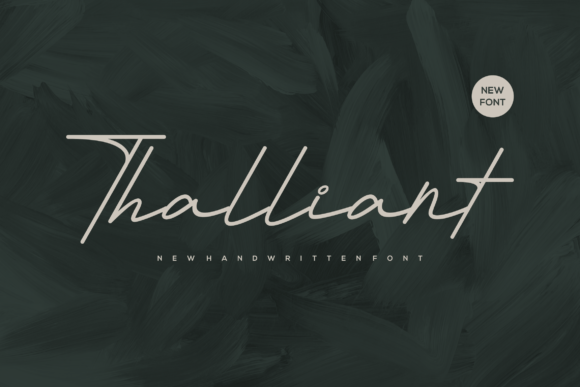
Thalliant brings a distinct personality to any layout, characterized by its fluid strokes and organic connections that mimic natural handwriting. In the context of our recent campaign, we needed a typeface that could convey warmth and intimacy without sacrificing professionalism. This versatile script font has a wide spectrum of applications ranging from greeting cards to headlines and is guaranteed to add a romantic feel to your ne w designs, making it an ideal candidate for lifestyle brands, wedding services, and boutique retail promotions. The visual weight of the letters sits comfortably between delicate elegance and bold presence, ensuring that key messages stand out without overwhelming the supporting imagery.
When I applied Thalliant to the main headline of our landing page, the transformation was immediate. The font’s inherent charm softened the overall aesthetic, creating an inviting atmosphere that encouraged users to scroll further. Unlike rigid geometric sans serifs that can sometimes feel cold or corporate, this handwritten style injects humanity into digital spaces. It works exceptionally well for short, impactful phrases where emotional resonance is more important than dense information delivery. For marketers aiming to build a connection with their audience through visual storytelling, integrating such a expressive typeface can enhance brand recognition and make your content memorable in a crowded feed.
Optimizing Thalliant for Social Media Graphics and Thumbnails
In the fast-paced environment of social media, visibility is everything. I tested Thalliant across various platforms, including Instagram posts, Pinterest pins, and YouTube thumbnails, to assess its performance in different aspect ratios and viewing contexts. On mobile screens, where users scroll rapidly, readability is paramount. Thalliant performs best when used for large display text or callouts rather than body copy. I found that pairing it with a clean, modern sans serif font for secondary information created a balanced visual hierarchy that guided the viewer’s eye effectively. The contrast between the flowing script and the structured sans serif helped clarify the message, ensuring that the promotional offer was understood at a glance.
For YouTube thumbnails, I used Thalliant to highlight the core emotion or benefit of the video content. Because the font has a strong decorative quality, it grabs attention in small preview images, provided the background offers sufficient contrast. I recommend using it on light backgrounds with dark text or vice versa, avoiding busy patterns that might interfere with the intricate details of the letterforms. When designing for Instagram Stories or Reels covers, keeping the text concise allows the beauty of the script to shine. Overloading these small canvases with too many words can diminish impact, so I focused on using Thalliant for single-word emphasis or short two-to-three-word phrases that encapsulated the vibe of the content.
Strategic Font Pairing and Visual Hierarchy in Ads
Effective campaign design relies heavily on how well different typographic elements work together. Thalliant is not designed to carry an entire layout alone; it thrives as a display font that anchors the design. In our digital ad set, I paired it with a neutral grotesque sans serif to handle the logistical details like dates, prices, and calls to action. This combination leverages the strengths of both styles: the script font draws emotional engagement, while the sans serif ensures clarity and trustworthiness. This strategy is crucial for maintaining professional standards while injecting creative flair. Without a sturdy supporting typeface, the romantic feel of the script might become too dominant, potentially confusing the viewer about the primary action they need to take.
Visual hierarchy is also influenced by size and spacing. I experimented with tracking and line height to ensure that the ligatures and connections in Thalliant did not clash with adjacent elements. In email banners, where space is often limited, I kept the font size large enough to preserve the integrity of the curves. Small adjustments in kerning can make a significant difference in how polished the final output looks. For designers building branded templates, establishing clear rules for when and how to use this script font will help maintain consistency across all marketing materials. Whether it is a webinar banner or a seasonal sale announcement, consistent typography reinforces brand identity and builds trust with the audience.
Practical Limitations and Licensing Considerations for Designers
While Thalliant is a powerful tool for adding character to designs, it is important to recognize its limitations. It is not suitable for long paragraphs of text, legal disclaimers, or formal corporate communications where neutrality is preferred. The intricate nature of handwritten fonts can reduce readability at smaller sizes, so I avoid using it for footnotes or dense informational blocks. Additionally, when working on projects with strict accessibility guidelines, always test the contrast and legibility to ensure that the content remains accessible to all users. Understanding where not to use a font is just as important as knowing where it excels.
Before integrating Thalliant into client campaigns or commercial products, it is essential to review the licensing terms. Ensure that the license covers your intended use cases, such as web embedding, print merchandise, or digital advertising. Check for included features like alternates, ligatures, and multilingual support, which can expand the versatility of the font in international markets. Having access to these additional glyphs allows for greater customization and helps avoid repetitive patterns in longer headlines. By thoroughly understanding the technical specifications and legal permissions, designers can confidently deploy Thalliant in high-stakes projects without risking compliance issues. This due diligence ensures that the enchanting quality of the font enhances your campaign rather than becoming a logistical hurdle.