Little Nima Typeface for Modern Web Design
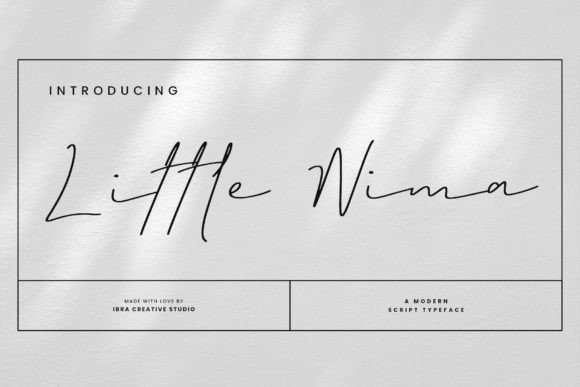
Little Nima, Script Handwritten, and Fonts form the core toolkit for designers seeking to elevate digital aesthetics with human touch. As a web designer, I constantly search for typefaces that break the monotony of standard sans serifs without sacrificing legibility on screens. Little Nima, a modern script typeface, seamlessly blends elegance with contemporary design, offering a harmonious balance between sophistication and approachability. Its fluid and graceful strokes create a visual rhythm that guides the user’s eye naturally through hero sections and landing pages. This font is not merely decorative; it is a strategic asset for building brand trust and enhancing user engagement in competitive digital spaces.
Integrating Little Nima into Hero Sections and Landing Pages
Little Nima, Script Handwritten, and Fonts play a pivotal role in establishing immediate visual hierarchy above the fold. When designing high-conversion landing pages, the headline must capture attention within seconds. Little Nima excels here because its modern script style feels personal yet professional. Unlike rigid geometric fonts, this typeface introduces warmth, making SaaS products, coaching services, and boutique e-commerce stores feel more accessible. I recommend using Little Nima for short, impactful headlines rather than long paragraphs. Its graceful strokes maintain clarity at large sizes, ensuring that the primary value proposition stands out against minimal backgrounds or subtle gradients. By reserving this font for key messaging, you create a focal point that draws users deeper into the content funnel.
Enhancing Brand Identity with Elegant Script Typography
Little Nima, Script Handwritten, and Fonts are essential for crafting a cohesive and memorable online identity. In today’s saturated market, brands need more than just a logo; they need a typographic voice that resonates across all digital touchpoints. Little Nima’s sophisticated yet approachable character makes it ideal for lifestyle brands, wedding planners, and creative agencies aiming to project elegance. When applied to social media graphics, email headers, and digital ads, this font reinforces brand consistency. The fluidity of its letters suggests creativity and attention to detail, qualities that potential clients highly value. Using Little Nima consistently across your website and marketing materials helps establish an emotional connection with your audience, turning casual visitors into loyal customers who recognize and trust your visual language.
Optimizing Readability and Visual Flow in Digital Layouts
Little Nima, Script Handwritten, and Fonts require careful handling to ensure optimal readability on various devices. While script fonts can be challenging on small screens, Little Nima’s contemporary design mitigates common legibility issues. Its strokes are distinct enough to remain clear on mobile devices, provided you use adequate letter spacing and contrast. For web designers, this means pairing Little Nima with highly readable body text. I often combine it with a clean sans serif font for paragraph content to create a balanced layout. This contrast prevents visual fatigue and allows users to scan information efficiently. Additionally, avoid using Little Nima for navigation menus or footnotes where space is limited. Instead, reserve it for section headings, pull quotes, and call-to-action buttons where its artistic flair can shine without compromising usability.
Strategic Font Pairing for Professional Web Interfaces
Little Nima, Script Handwritten, and Fonts achieve their full potential when paired correctly with complementary typefaces. A common mistake in web design is pairing two decorative fonts, which creates visual chaos. Since Little Nima is a modern script, it pairs beautifully with neutral sans serifs like Inter, Roboto, or Open Sans. These simple fonts provide a stable foundation that lets Little Nima’s elegance take center stage. For a more editorial or luxury feel, consider pairing it with a classic serif font for subheadings. This combination adds depth and sophistication to blog layouts and magazine-style websites. Always test your pairings across different screen sizes to ensure the weight and height ratios remain harmonious. Proper font pairing not only enhances aesthetics but also improves the overall user experience by creating a clear and intuitive visual hierarchy.
Leveraging Little Nima for Conversion-Focused Design Elements
Little Nima, Script Handwritten, and Fonts can significantly impact conversion rates when used strategically in key interface elements. Buttons and calls-to-action (CTAs) benefit from the personal touch of a script font, making them feel less like commands and more like invitations. For instance, using Little Nima on a "Join Our Community" or "Get Started" button can increase click-through rates by adding a sense of warmth and exclusivity. However, keep the text short to maintain legibility. Beyond buttons, use this font for testimonials and client quotes to add authenticity and humanize your brand. In online stores, Little Nima works well for product tags like "New Arrival" or "Best Seller," drawing attention to specific items without overwhelming the product imagery. These small typographic details contribute to a polished and professional user experience that encourages action.
Technical Considerations for Webfont Implementation
Little Nima, Script Handwritten, and Fonts must be implemented correctly to ensure fast loading times and consistent rendering across browsers. When adding Little Nima to your website, prioritize web-optimized formats like WOFF2 to minimize file size and improve page speed. Check if the font family includes multiple weights or alternates, as these can provide flexibility in design without needing additional typefaces. Ensure that your CSS includes fallback fonts to prevent layout shifts if the custom font fails to load. For dark mode interfaces, adjust the font weight slightly to maintain visibility against black backgrounds. Additionally, verify the licensing terms for web use, especially if you are deploying the font on high-traffic commercial sites or client projects. Proper technical implementation ensures that Little Nima performs reliably, delivering its aesthetic benefits without compromising site performance or user experience.